
When is the time for garage door replacement?
Your garage door is likely the largest and heaviest moving system in your home. It opens and closes multiple times a day, often without much thought. Over time, that constant use, combined with exposure to weather, starts to wear the system down.
In the early stages, maintenance does the job. Lubricating moving parts, tightening hardware, and replacing worn components can keep a garage door running smoothly for years. But there comes a point when those small fixes stop solving the problem.
The real question isn’t whether your door can be repaired.
It’s whether continuing to repair it still makes sense.
Why Repairs Don’t Always Solve the Problem
Most homeowners try to extend the life of their garage door as long as possible. That’s reasonable. But there’s a tipping point where repairs become repetitive rather than effective.
If your door is relatively new and the issue is isolated, a repair is usually the right move. But when problems become frequent, you’re no longer fixing the system, you’re maintaining a decline.
Older garage doors tend to develop multiple issues at once. One part gets replaced, another starts failing shortly after. Over time, the cost of keeping the system running begins to outweigh the value of replacing it.
That’s when replacement becomes the smarter decision.
How to Tell When Your Garage Door Is Reaching the End
Garage doors rarely fail all at once. Instead, they show patterns of wear that become harder to ignore.
You might notice the door no longer moves as smoothly as it used to. It may feel heavier, slower, or less stable. Sounds that weren’t there before, vibration, grinding, or rattling, start to become part of normal operation.
Visually, the changes can be just as telling. Panels may become dented or discolored. Sections of the door may begin to sag, especially in older systems where structural integrity has weakened over time.
To make it clearer, here’s how these signs typically progress:
| Condition Stage | What You’ll Notice | What It Means |
| Early wear | Minor noise, slight cosmetic damage | Maintenance needed |
| Moderate wear | Frequent repairs, uneven movement | System declining |
| Advanced wear | Sagging, sticking, repeated failures | Replacement likely |
| End of life | Safety risks, major component failure | Replacement necessary |
The more your door moves toward the bottom of that table, the less practical repairs become.
When Safety Becomes a Concern
One of the most important reasons to consider replacement is safety.
Garage doors rely on springs, cables, and tracks working together under tension. When these components begin to wear out, the system becomes less predictable. A door that sticks, jerks, or struggles to close properly is not just inconvenient, it’s unstable.
Older systems may also lack modern safety features. Today’s garage doors include improved auto-reverse mechanisms, better sensor technology, and more reliable operation standards. If your current door doesn’t meet those standards, replacement isn’t just an upgrade, it’s a safety improvement.
The Hidden Cost of Holding Onto an Old Door
Aging garage doors don’t just cost money in repairs. They can affect your home in other ways.
Poor insulation is one of the most overlooked issues. Older doors often allow outside air to pass through more easily, which can impact indoor temperatures and increase energy costs, especially if your garage is attached to your home.
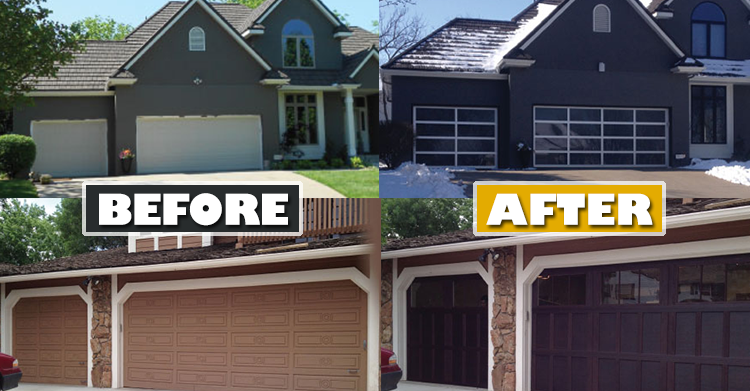
There’s also the impact on curb appeal. A worn or outdated garage door can noticeably affect how your home looks from the outside. Since the garage door is one of the largest visual elements on most homes, replacing it can dramatically improve appearance.
For homeowners thinking about resale, this becomes even more important. A new garage door is one of the few upgrades that consistently adds visible value.
Why Modern Garage Doors Are a Different Experience
Replacing your garage door isn’t just about fixing a problem, it’s about upgrading the entire experience.
Modern systems are designed with better materials, improved insulation, and stronger structural integrity. They operate more quietly and require less maintenance over time.
Technology has also advanced. Features like rolling code security, smartphone control, and smart home integration give you more control over access and monitoring. Some systems even include keypad entry and remote management, making daily use more convenient and secure.
These aren’t just add-ons. They change how you interact with your garage and your home.
Making the Right Decision: Repair or Replace
The decision ultimately comes down to frequency and cost.
If repairs are occasional and the system is still relatively new, fixing the issue makes sense. But if you’re calling for service repeatedly, dealing with inconsistent performance, or noticing structural wear, replacement becomes the more practical long-term solution.
A professional inspection can help clarify that decision. Looking at the system as a whole, not just one failing part, gives a better understanding of what’s actually happening.
Professional Garage Door Replacement in Killeen
At Premier Overhead Co., garage door replacement is approached with a focus on long-term performance. Our technicians evaluate your current system, explain your options, and install new doors with precision and safety in mind.
Whether your goal is to eliminate ongoing repair costs, improve safety, or upgrade the appearance of your home, we help you choose a system that fits both your needs and your property.
If your garage door has become unreliable, worn, or outdated, it may be time to move forward with a solution that restores both function and peace of mind.
Contact us today for expert garage door replacement in Killeen.
A Final Thought on Timing Your Replacement
Most homeowners wait longer than they should.
Not because they don’t recognize the signs, but because the door still “works.” The problem is that working and working safely are not the same thing.
The right time to replace your garage door is before failure, not after. When repairs become frequent, performance becomes inconsistent, and safety becomes uncertain, the decision is already clear.
Acting at that point doesn’t just solve the problem, it prevents the next one.